

Which Skin Conditions Can Be Treated with Mesotherapy?
What Is Mesotherapy?
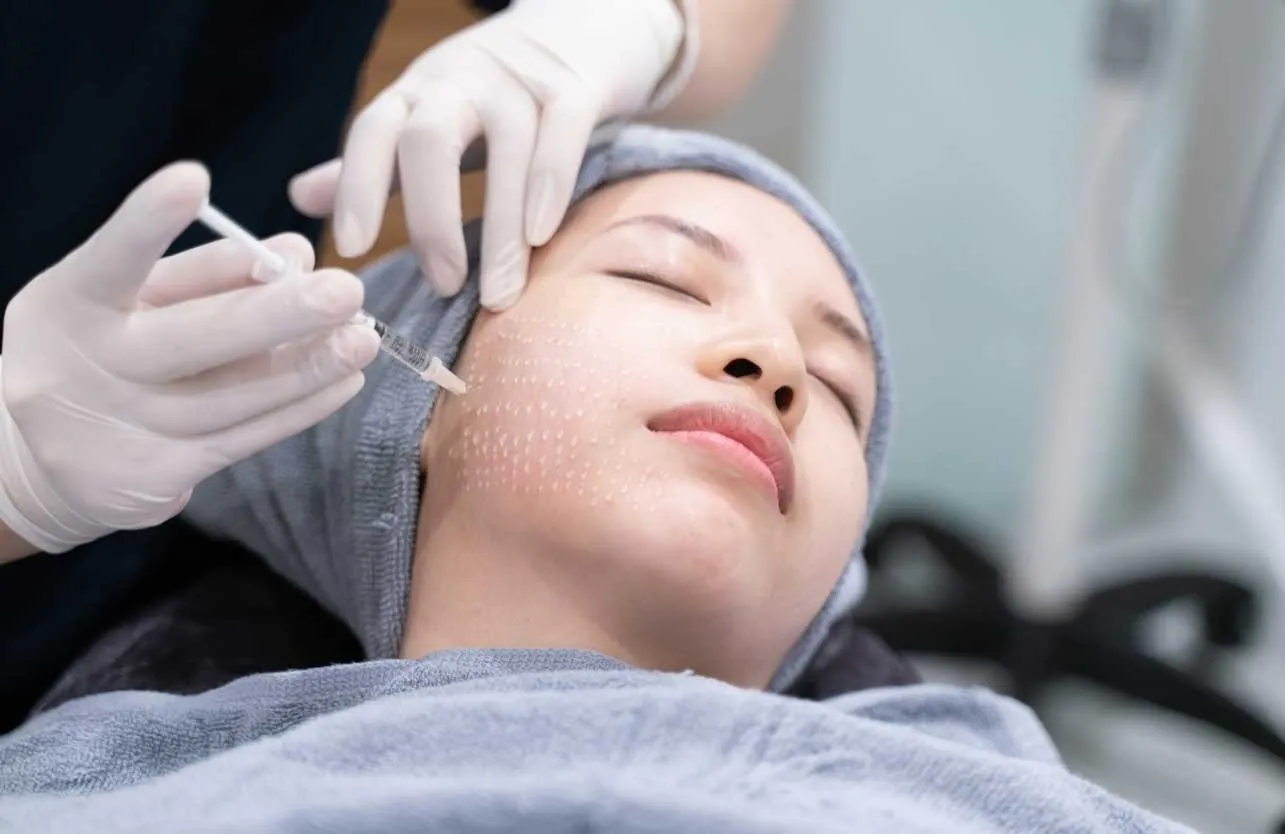
Mesotherapy is a minimally invasive treatment that delivers vitamins, minerals, amino acids, enzymes, and hyaluronic acid directly into the mesodermal layer of the skin using microinjections.
Its goal is to nourish, hydrate, and revitalize the skin from within, targeting specific concerns like wrinkles, dullness, pigmentation, and volume loss.
It is commonly applied to the face, neck, décolleté, hands, and scalp.
Which Skin Conditions Can Be Treated with Mesotherapy?
Below is a breakdown of the most common skin issues where mesotherapy has been found effective, based on clinical evidence and dermatological practice:
1. Dehydrated and Dry Skin
Key ingredients: Hyaluronic acid, vitamin B5, glycerol
- Boosts moisture retention and plumps the skin
- Strengthens the skin’s barrier
- Ideal during seasonal transitions or after sun exposure
2. Fine Lines and Wrinkles
Key ingredients: Peptides, CoQ10, DMAE, retinoid derivatives
- Stimulates collagen and elastin production
- Softens dynamic and static wrinkles
- Commonly used in anti-aging protocols (forehead, crow’s feet, lips)
3. Pigmentation and Uneven Skin Tone
Key ingredients: Glutathione, vitamin C, tranexamic acid, arbutin
- Regulates melanin synthesis and fades discoloration
- Effective for sunspots, post-acne marks, and melasma
- Often combined with chemical peels or laser
4. Acne-Prone and Oily Skin
Key ingredients: Zinc, salicylic acid, niacinamide, biotin
- Balances sebum production
- Soothes post-inflammatory redness
- Not used during active acne outbreaks, but suitable for post-acne care
5. Large Pores and Uneven Skin Texture
Key ingredients: Organic silicones, DMAE, retinoic acid
- Tightens enlarged pores
- Smoothens skin texture and improves elasticity
- Often paired with microneedling for better absorption
6. Hair Loss (Alopecia)
Key ingredients: Biotin, zinc, keratin amino acids, minoxidil
- Used for both male and female pattern hair loss
- Revitalizes hair follicles and promotes new hair growth
- Works synergistically with PRP for enhanced results
7. Under-Eye Dark Circles and Hollowing
Key ingredients: Glutathione, vitamin C, organic silica, arnica extract
- Formulated with low-density compounds for delicate eye area
- Helps lighten pigmentation and reduce puffiness
- Alternative or complement to tear trough filler
Session Frequency and Treatment Plan
- Initial Phase: 4–6 sessions, spaced 7–14 days apart
- Maintenance Phase: Once monthly
- Long-Term Care: Every 3–6 months
Visible improvements typically begin after the 2nd session, with optimal results from consistent, long-term application.
Common Combination Treatments
To boost efficacy, mesotherapy is often combined with:
- PRP (Platelet-Rich Plasma)
- Fractional laser (CO₂ or non-ablative)
- Microneedling (Dermapen)
- Chemical peels
Such combinations create a synergistic effect, improving both penetration and outcome.